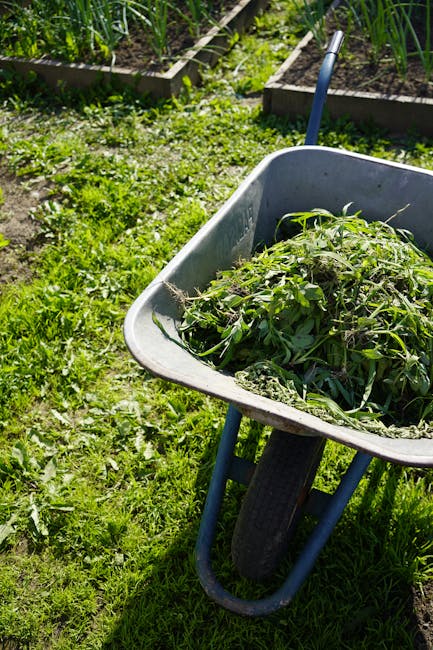
Real cost of garden waste removal in Shortlands explained

If you have just finished a big garden tidy-up in Shortlands, you already know the awkward part: the pile grows faster than your patience. Branches, grass cuttings, hedge trimmings, old sleepers, bagged soil, maybe a broken planter or two. Then comes the question everyone asks in the end: what is the real cost of garden waste removal in Shortlands explained?
The short answer is that the cost depends on volume, weight, access, labour, and how quickly you want the job done. The longer answer is the one that actually helps you make a good decision, avoid overpaying, and choose the right service for the mess in front of you. This guide breaks it down in plain English, with enough detail to be useful whether you are clearing a small border or dealing with a full garden overhaul.
One thing worth saying early: garden waste removal is not always the cheapest job on paper, but it can be the quickest and cleanest route when you want the garden back to normal without hiring a van, making multiple trips, or spending your Saturday wrestling with soggy bags. And let's face it, nobody wants to do that twice.
Why the real cost matters
Garden waste removal pricing can look simple at first glance, but in practice it is shaped by a few moving parts. If you understand those parts, you can compare quotes more sensibly and avoid paying for things you do not need. That matters in Shortlands because local properties vary quite a bit: some have compact town gardens with narrow side access, while others have longer rear gardens, mature hedges, or mixed waste from seasonal clear-outs.
Here is the thing. A cheap-looking quote can be cheap for a reason. It may not include loading, bulky branches, or difficult access. On the other hand, a quote that looks higher than expected may actually be better value if it includes labour, transport, sorting, and responsible disposal. In other words, the real cost is not just the price on the first line. It is the full job, start to finish.
Understanding the real cost also helps if you are comparing garden clearance with broader waste removal services. Sometimes a garden tidy is straightforward. Other times it turns into a mixed waste job with fencing offcuts, old pots, and a few items that should really go elsewhere. Knowing what counts as garden waste versus general waste keeps the process cleaner and the pricing clearer.
Expert summary: the fairest way to judge garden waste removal in Shortlands is to look beyond the headline quote and ask what is included, how much waste is being removed, and whether the team can safely load it from your property without hidden extras.
How garden waste removal works
Most garden waste removal jobs follow a fairly simple pattern, although the details vary. A provider will usually assess the amount of waste, the type of material, access to the garden, and whether anything needs separating before loading. From there, they will quote based on the overall job or the load size.
In a typical Shortlands garden, the waste may include:
- grass cuttings and hedge trimmings
- branches, twigs, and pruned shrubs
- dead plants and roots
- soil, turf, and small quantities of compost
- bagged green waste
- old garden furniture or mixed items, if included in the clearance
One of the biggest cost drivers is whether the waste is loose and easy to load, or bulky and awkward. A few bags of cuttings are quick. A heap of wet laurel branches after a windy weekend is a different story. The smell of damp greenery, the sheer volume, the extra lifting - all of that adds time, and time affects price.
It is also worth knowing that many companies price garden waste by load volume rather than by bag count alone. That is because bags can be misleading. Ten light bags of leaves are not the same as ten heavy sacks of soil. If you want a better estimate, it helps to describe the material honestly and mention anything dense or heavy up front.
For larger tidy-ups, some customers choose a dedicated garden clearance service rather than a simple collection. That is often the better fit when overgrowth, cut back hedges, and assorted outdoor clutter all need removing in one visit.
Key benefits and practical advantages
Garden waste removal is not only about getting rid of mess. It can also save time, reduce strain, and make the next stage of your garden project much easier. For many people, that is the real value. You are not just paying to move rubbish. You are paying to reclaim the space.
- Less time spent on disposal: no endless loading into a car or repeated trips to a tip.
- Cleaner finish: waste is removed in one go, which keeps the garden looking tidy.
- Safer handling: heavy bags, thorny cuttings, and splintered branches are handled more carefully.
- Better for larger jobs: a full spring clear-out or post-storm clean-up is easier to manage professionally.
- More predictable outcome: you know when the waste will be gone, which helps if you are planning landscaping or planting.
To be fair, convenience is a big part of the appeal. If you have ever spent a Sunday afternoon wrestling a wheelbarrow through a narrow side passage, you will know exactly what I mean. Sometimes the sensible option is the one that costs a bit more but saves a lot of hassle.
There is also a practical benefit that gets overlooked: when waste is removed properly, you can see what is left. That matters if you are preparing for turfing, patio work, or a bigger outdoor redesign. If the goal is a cleaner, safer, more usable garden, waste removal is usually the first step, not the last.
Who this is for and when it makes sense
Garden waste removal in Shortlands makes sense for a surprisingly wide range of people. It is not just for big landlords or people with large gardens. In fact, some of the most common jobs are small but awkward.
You may need it if you are:
- a homeowner clearing up after seasonal pruning
- a tenant leaving a property in better condition than you found it
- a landlord preparing a garden between lets
- a busy family with no time or vehicle for repeated disposal runs
- someone who has had trees, hedges, or shrubs cut back by a gardener
- a property owner dealing with an overgrown or neglected outdoor space
It also makes sense when the job is bigger than green waste alone. If your shed has become a dumping ground for broken plant pots, bags of soil, and a rusty chair no one wanted to mention, a broader clearance may be more efficient. Some people pair garden work with garage clearance when they are tackling the whole outside area in one sweep. That can be smart, honestly, because small jobs have a habit of multiplying.
If the garden waste is part of a wider property clean-up, you may also want to look at home clearance for indoor items that are being cleared at the same time. A coordinated approach can reduce repeat visits and help keep costs under control.
Step-by-step guidance
If you want a realistic idea of what you will pay, follow a simple process before booking. A few minutes of preparation can save a surprising amount of money.
- Sort the waste by type. Separate green waste, soil, branches, and any non-garden items. Heavy material usually changes the price.
- Estimate the volume. Think in terms of bags, piles, or van space. A rough photo is often more useful than a guess.
- Check access. Note narrow gates, steps, long paths, parking difficulty, or anything that will slow loading.
- Decide whether labour is needed. If the waste is already bagged at the kerb, the job may be simpler than if it has to be carried from the back garden.
- Ask what is included. Loading, transport, sorting, disposal, and recycling should all be clear.
- Compare like with like. Two quotes only make sense if they cover the same scope of work.
- Book a suitable time. Morning slots can help when gardens are damp or when weather might change later in the day.
A useful habit is to take a few photos from different angles in daylight. Not glamorous, but effective. A picture of the pile beside a fence, a path, or a wheelbarrow gives a much better sense of scale than a text message saying "quite a lot, maybe".
If you need a clearer pricing conversation, start with the company's pricing and quotes information before booking. That is usually where the practical details begin to make more sense.
Expert tips for better results
Small decisions can change the final cost more than people expect. Here are a few tips that help keep things efficient and fair.
- Keep green waste separate from general rubbish. Mixed loads can cost more to process.
- Break down branches where possible. Shorter lengths are easier to load and stack.
- Avoid leaving wet waste uncovered. Soaked bags get heavier, and heavy usually means dearer.
- Tell the truth about access. If there is a narrow gate, say so. Surprises at arrival are never helpful.
- Group tasks together. If you have hedge cuttings, an old parasol, and a few other outdoor bits, a single visit may be more efficient than separate collections.
- Ask about recycling. Responsible sorting can make a difference to how waste is handled after collection.
One overlooked tip: do not spend half a day bagging material into tiny loads if the collection service is going to load directly. Sometimes tidy piles are better than over-packed bags. Not always, but often enough to matter.
If sustainability matters to you, it may also help to look at the company's recycling and sustainability approach. A good provider should be able to explain how green waste is treated in practical terms, without turning it into a lecture.
Common mistakes to avoid
Most pricing problems come from the same handful of mistakes. Nothing dramatic. Just small things that snowball into a higher bill or a slower job.
- Only comparing the headline price. The cheapest quote can become expensive once extras appear.
- Underestimating how heavy the waste is. Soil and wet cuttings weigh much more than they look.
- Forgetting access issues. A narrow passage, shared driveway, or lack of parking can affect the job.
- Mixing garden waste with household rubbish. That can change the disposal route and the price.
- Not checking whether labour is included. Loading is often where hidden assumptions appear.
- Leaving the booking too late. If the waste has been sitting there for weeks, it is tempting to rush. Rushed decisions are rarely the bargain they seem.
There is also the classic mistake of assuming every pile is "just green waste". It sounds obvious, but once you start lifting the layer underneath, there is often more going on - old stones, roots, broken pots, bits of timber, even the occasional forgotten tool. You know how gardens are. They hide things.
Tools, resources and recommendations
You do not need a lot of specialist equipment to prepare for garden waste removal, but a few simple tools make the process smoother.
- Heavy-duty bags: useful for leaves, clippings, and smaller debris.
- Gloves: essential for thorny cuttings, nettles, and rough edges.
- Secateurs or loppers: helpful for reducing branch length before collection.
- Wheelbarrow or trug: makes it easier to move waste from the back garden to the front or loading point.
- Tarpaulin: handy for keeping material contained if the weather turns damp.
- Phone camera: very useful for quotes and job assessment.
For customers dealing with a larger property clean-up, it can also help to explore the wider service range. For example, if the outdoor work is happening alongside indoor decluttering, a house clearance may be part of the overall plan. Likewise, mixed waste from repairs or landscaping may sit better under broader builders waste clearance if the work has drifted into renovation territory.
A sensible recommendation? Gather information first, book second. A few photos, a rough pile size, and a list of materials are often enough to get a clear estimate without overthinking it.
Law, compliance, standards, or best practice
When garden waste is collected, it should be handled by a provider that follows proper waste management practice. In the UK, that usually means waste is transported, sorted, and disposed of responsibly, with attention to recycling where possible. You do not need to become an expert in waste legislation to make a good choice, but you should expect the company to work safely and lawfully.
Good practice includes:
- clear separation of green waste where feasible
- safe lifting and loading methods
- appropriate vehicle use and lawful disposal routes
- careful handling of any sharp, heavy, or awkward material
- transparent pricing and honest descriptions of what is included
If you are comparing providers, it is reasonable to ask how they handle disposal and whether they can explain the process in plain English. You do not need a compliance seminar. Just a straightforward answer. That is often enough to tell you whether you are dealing with a serious operator.
If your garden waste sits alongside other property waste, such as items from a flat or rental unit, the rules and practical handling may differ a little. In those cases, it can be useful to check related services like flat clearance if the job spans more than one area of the property.
One more practical note: if a company seems vague about disposal or unwilling to explain how waste is handled, that is a small red flag. Not always a deal-breaker, but worth noticing.
Options, methods, or comparison table
There are usually three main ways people deal with garden waste in Shortlands: do it themselves, hire a skip or container-style solution, or book a professional collection. Each has its place.
| Method | Best for | Main advantages | Main drawbacks |
|---|---|---|---|
| DIY disposal | Small amounts of light waste | Low direct cost, flexible timing | Time-consuming, tiring, multiple trips, fuel and vehicle wear |
| Skip-style option | Large mixed clearances or ongoing work | Handles bulk, good for staged projects | Space required, permit considerations, can be awkward for pure green waste |
| Professional garden waste collection | Most medium jobs, urgent clear-outs, awkward access | Fast, labour included, less hassle | Can cost more than DIY for very small loads |
For many householders, professional collection strikes the best balance between cost and convenience. It is especially sensible when the waste is bulky, wet, thorny, or already sitting in a place that is a nuisance to move. If the job is tiny, DIY may still be cheaper. If the job is large, professional help starts to look a lot more attractive very quickly.
And there is another point people forget: your time has value too. A Saturday morning spent hauling hedge cuttings is not free just because no one handed you a bill. A bit of perspective helps.
Case study or real-world example
Take a fairly typical Shortlands scenario. A homeowner has spent a weekend cutting back a hedge, clearing some old shrubs, and pulling up a few tired plants from a border that had become a bit unruly. The garden now has several bags of green waste, a small pile of branches, and a couple of heavier items like broken pots and a damaged planter.
At first glance, it looks like a simple job. But once the bags are moved, the pile spreads out. The branches are awkward. The side access is narrow. The bags are heavier than expected because of damp cuttings from an early-morning trim. Suddenly the real issue is not just the amount of waste - it is how long it will take to move and load it safely.
In that kind of situation, a professional collection can be more cost-effective than making repeated tip runs. The homeowner gets the garden back the same day, avoids loading the car, and does not spend the evening brushing mud off the driveway. That is the practical value people often overlook until they have tried the alternative.
Sometimes the job grows when the garden is cleared. That is normal. Once the waste is gone, you notice the old bench, the broken edging, the loose paving, maybe even a rusty bit of fencing that was hiding behind a pile of leaves. If that happens, it may be worth considering a wider furniture disposal or other clearance solution if outdoor items need to go too. Small domino effect, really.
Practical checklist
Use this checklist before you request a quote or book a collection.
- Have you separated green waste from general rubbish?
- Do you know roughly how many bags or piles there are?
- Have you identified any heavy material such as soil or turf?
- Is access straightforward, or are there gates, steps, or parking issues?
- Have you taken a few clear photos in daylight?
- Do you know whether loading is included?
- Have you confirmed what happens to the waste after collection?
- Are there any items that may need a different service?
- Do you need the job done quickly or on a specific day?
- Have you checked the provider's terms and conditions so there are no surprises later?
If you can tick most of those boxes, you are already ahead of the game. It makes the quote process smoother and gives you a much fairer basis for comparison.
Conclusion
The real cost of garden waste removal in Shortlands is not just about the number on a quote. It is about volume, weight, access, labour, and how complete you want the service to be. Once you understand those factors, pricing becomes much less mysterious and a lot easier to judge.
For small, light loads, a DIY approach may be enough. For larger, heavier, or awkward clearances, professional collection often saves time, energy, and a fair bit of frustration. And if you are trying to get the garden back into shape without turning the weekend into a minor expedition, that convenience matters more than most people expect.
Take a practical view, ask clear questions, and choose the option that gives you the cleanest result for the least stress. That is usually the sweet spot.
Get a free quote today and see how much you can save.
Frequently Asked Questions
How much does garden waste removal usually cost in Shortlands?
The cost depends on the volume, weight, access, and whether labour is included. Small loads are naturally cheaper than larger, mixed clearances. The best way to get a realistic figure is to share photos and a rough description of the waste.
Is garden waste removal cheaper than hiring a skip?
It can be, especially for smaller or medium-sized jobs where you want the waste collected quickly and loaded for you. A skip may suit larger projects or ongoing work, but for many household garden clear-ups, professional collection is simpler and often better value overall.
What counts as garden waste?
Usually green material such as grass cuttings, hedge trimmings, branches, plants, leaves, roots, and turf. Soil, old pots, timber, and general rubbish may be treated differently, especially if the load is mixed.
Does wet garden waste cost more to remove?
It can, because wet waste is heavier and more awkward to handle. Damp branches, soggy bags, and soaked soil all add weight, and weight affects loading and disposal. If possible, keep waste covered and separated before collection.
Can I mix garden waste with household rubbish?
It is better not to unless the provider has confirmed they can take a mixed load. Mixed waste often changes the disposal route and can affect pricing. Keeping garden waste separate usually makes the process cleaner and simpler.
Will I save money if I bag everything myself?
Sometimes, yes. Bagging light waste can make loading faster. But over-bagging heavy material like soil can make things worse. The best approach is to make the waste easy to assess and move, not necessarily to pack it as tightly as possible.
How can I lower the cost of garden waste removal?
Sort waste properly, separate heavy material, provide clear access, and share photos before booking. If you can combine jobs into one visit, that may also reduce the overall cost. Small preparation steps make a bigger difference than people expect.
What if my garden has difficult access?
Tell the provider in advance. Narrow gates, long carries, stairs, and parking issues can affect both time and price. Being upfront is better than getting a revised quote on the day. Nobody enjoys that moment.
Do I need to be home during the collection?
That depends on the provider and how the job is arranged. Some collections are simple enough to complete with access arranged in advance, while others need someone on site to confirm what stays and what goes. It is best to check beforehand.
Is responsible recycling included in the service?
It should be part of a good provider's process, especially for green waste. Ask how materials are sorted and whether anything is reused or recycled where appropriate. A clear answer is a good sign.
What is the difference between garden clearance and garden waste removal?
Garden waste removal usually refers to taking away the cuttings and waste itself. Garden clearance is often broader and can include clearing overgrown areas, removing mixed outdoor debris, and tidying the space as part of a larger job.
When is the best time to book garden waste removal?
As soon as the pile is big enough to become a hassle, honestly. Spring and autumn are busy because gardens tend to need more work then, so booking early can help. If the waste is blocking access or spoiling the look of the garden, it is probably time.
Can garden waste removal be combined with other clearance jobs?
Yes, and that is often the sensible option if you are clearing more than one area. For example, outdoor waste may be dealt with alongside garage clearance or even a wider property clearance, depending on what needs to go.
How do I know if a quote is fair?
A fair quote should clearly explain what is included, how the waste is assessed, and whether loading and disposal are covered. If two quotes are very different, check whether they are actually offering the same scope of work before comparing prices.
If you want to understand the practical side in more detail, it is worth reading about the company itself on the about us page and checking the service standards on insurance and safety. That does not answer every question, of course, but it helps build a clearer picture before you book.
Sometimes the smartest choice is simply the one that gets the job done properly and lets you enjoy the garden again. And that, really, is the point.